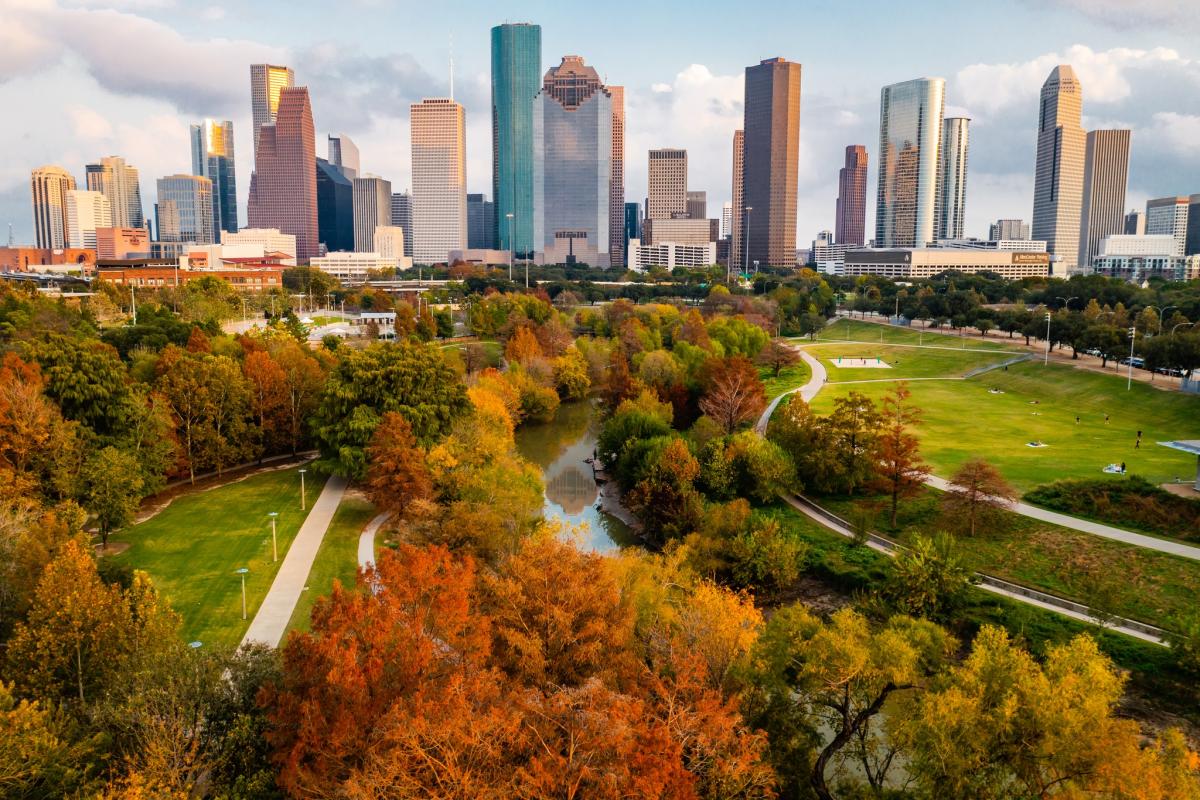
Houston, a vibrant metropolis pulsating with energy, innovation, and diverse culture, consistently ranks high on lists of must-visit American cities. Its official visitor guides, meticulously crafted by organizations like the Houston Visitors Bureau, paint a compelling picture: world-class museums, a thriving culinary scene, exciting sports events, groundbreaking medical facilities, and a rich tapestry of history. These guides are invaluable resources for planning a trip, highlighting attractions, and ensuring a memorable experience. Yet, conspicuously absent from these glossy pages is any mention of a significant environmental consideration: the houston flood threat.
The omission isn't an oversight of quality in tourism promotion; rather, it reflects the inherent purpose of such guides. Their mandate is to showcase the best of Houston, to attract visitors, and to stimulate the local economy. Topics like potential natural disasters, while critical for safety and preparedness, understandably fall outside the scope of a brochure designed to inspire travel and celebrate a city's allure. This article delves into why the flood threat isn't featured in official visitor guides, where to find crucial information, and how both visitors and residents can proactively understand and prepare for Houston's unique relationship with water.
The Unseen Reality: Why Flood Threats Aren't in Tourist Brochures
When you pick up an official Houston visitor guide or browse a tourism website, you're entering a curated world. This world is designed to delight, inform about leisure activities, and present the city in its most attractive light. The absence of content regarding the houston flood threat from these sources is, therefore, not surprising when viewed through the lens of marketing and promotion.
The Mandate of Tourism Bureaus
Tourism bureaus and visitor centers operate with a clear mission: to promote their destination. This involves highlighting attractions, events, dining options, and accommodation that promise positive experiences and economic benefits. Their content strategy is focused on engagement and inspiration, aiming to convert potential travelers into actual visitors. Including information about potential natural disasters, while responsible in a broader context, would directly conflict with this primary objective. Imagine a travel brochure for a beach destination emphasizing shark attacks or hurricane warnings – it would understandably deter visitors, undermining the very purpose of the guide. Therefore, topics that might evoke concern or apprehension are generally avoided in favor of celebratory content.
The reference context provided explicitly states that sources like "Visit Houston Texas | Travel Guide for Tourist Attractions" and "Houston TX Trip Planner | Your Guide to Travel & Vacations" contain no content about the "houston flood threat." This precisely confirms the observation: these platforms are dedicated to presenting the city's appeal, focusing on what makes it a fantastic place to visit, rather than its environmental challenges. Houston Travel Guides Prioritize Tourism, Not Flood Alerts, underscoring this functional distinction.
A Historical Lens on Houston's Waterways and Development
Houston's geography plays a significant role in its susceptibility to flooding. Situated on a flat coastal plain, just miles from the Gulf of Mexico, the city is crisscrossed by an extensive network of bayous and waterways. Historically, this landscape has always been shaped by water, from Buffalo Bayou's role in the city's founding to the natural drainage patterns of the region. However, rapid urban development, with its vast expanses of impervious surfaces like concrete and asphalt, has significantly altered the natural hydrology, reducing the land's ability to absorb heavy rainfall.
While visitor guides might touch upon the history of Houston's development or the significance of its bayous as recreational spaces, they generally do not delve into the environmental consequences of this growth, especially concerning flood risk. Their historical narratives typically focus on achievements, cultural milestones, and iconic landmarks rather than the complex interplay between urban expansion and natural systems. Understanding this distinction is key to recognizing why the houston flood threat, while a critical aspect of living in or visiting the city, remains outside the purview of promotional materials.
Navigating the Waters: Where to Find Reliable Flood Information
Given the absence of flood-related information in tourism materials, it becomes crucial for individuals to know where to seek reliable and current data. Proactive information-gathering is the cornerstone of preparedness for anyone planning a visit or considering a move to Houston.
Official Government Resources
For accurate, up-to-date, and actionable information regarding the houston flood threat, official government channels are the go-to sources:
- City of Houston Office of Emergency Management (OEM): The OEM website (houstonoem.org) is a comprehensive hub for emergency preparedness. It offers guides on what to do before, during, and after various types of emergencies, including floods. They often provide sign-up options for emergency alerts.
- Harris County Flood Control District (HCFCD): This district (hcfcd.org) is specifically dedicated to flood damage reduction. Their website features real-time rainfall and stream gauge data, flood zone maps, details on ongoing mitigation projects, and valuable resources for residents to understand their specific flood risk.
- National Weather Service (NWS) Houston/Galveston: The NWS website (weather.gov/hgx) provides detailed weather forecasts, watches, and warnings specific to the region. This is vital for understanding current and impending weather events that could lead to flooding.
- Federal Emergency Management Agency (FEMA): FEMA's flood maps (msc.fema.gov) allow individuals to determine if a property is located in a designated flood zone, which has implications for insurance and building regulations.
- DriveTexas.org: Managed by the Texas Department of Transportation, this website provides real-time road conditions, including closures due to flooding, which is essential for safe travel within and around the city.
Local News & Community Alerts
During severe weather events, local news channels (TV, radio, and their online platforms) become indispensable. They offer immediate updates, road closures, evacuation information, and expert analysis. Furthermore, signing up for community alert systems, such as ReadyHarris (readyharris.org), can provide direct notifications to your phone or email about severe weather and other emergencies in Harris County. While social media can be a source of immediate information, it's always best to verify details with official sources. Seeking Houston Flood Info? Look Beyond History & Tourism specifically guides individuals to these robust and reliable alternatives to typical visitor guides.
Preparing for the Unpredictable: Practical Tips for Visitors and Residents
Understanding the houston flood threat is the first step; taking proactive measures is the second. Whether you're a first-time visitor or a long-term resident, preparedness can significantly enhance safety and minimize disruption.
Before You Travel/Move
- Check Weather Forecasts: Always review the extended forecast for your travel dates. If tropical activity is predicted in the Gulf of Mexico, be prepared for potential travel disruptions.
- Understand Flood Zones: If you are moving to Houston or planning an extended stay, familiarize yourself with flood zone maps for your prospective neighborhood. This is crucial for making informed decisions about housing and insurance.
- Consider Travel Insurance: For visitors, travel insurance can protect against unexpected cancellations or delays due to severe weather.
- Emergency Contacts: Save local emergency numbers (911) and non-emergency contacts for local authorities.
During Your Stay/Residency
- Stay Informed: Download weather apps, sign up for local alerts (like ReadyHarris), and monitor local news outlets. Knowledge is your best defense.
- "Turn Around, Don't Drown": This vital public safety message cannot be stressed enough. Never drive or walk through flooded streets. Water can conceal dangerous debris, swift currents, or washed-out roads. Just six inches of moving water can knock a person down, and two feet can sweep away most vehicles.
- Emergency Kit: For residents, maintain an emergency kit with essentials like water, non-perishable food, a first-aid kit, flashlights, batteries, a weather radio, and important documents. Visitors should at least carry essential medications and have a plan for immediate needs.
- Know Evacuation Routes: Familiarize yourself with primary and secondary evacuation routes if you live in a flood-prone area or if authorities issue an evacuation order.
- Flood Insurance: For homeowners and renters, standard insurance policies typically do not cover flood damage. Flood insurance, often available through the National Flood Insurance Program (NFIP), is a crucial investment in Houston.
- Elevate Valuables: If a flood warning is issued, move important documents, electronics, and valuable possessions to higher floors or elevated areas within your home.
Understanding Houston's Flood Mitigation Efforts
It's also important to recognize that Houston and Harris County are actively working to mitigate the houston flood threat. The Harris County Flood Control District consistently undertakes projects aimed at improving drainage, widening and deepening bayous, and enhancing reservoir capacity. While the scale of the challenge is immense, ongoing infrastructure improvements, community engagement programs, and early warning systems are all part of a concerted effort to make the region more resilient. Being informed about these efforts can provide a more balanced perspective on the city's commitment to addressing its environmental realities.
Beyond the Brochures: A Holistic View of Houston
Understanding the houston flood threat doesn't diminish Houston's appeal; rather, it allows for a more informed and respectful engagement with the city. Houston is a dynamic place, constantly evolving, and its challenges are as much a part of its identity as its triumphs. By acknowledging and preparing for the realities of its climate and geography, visitors and residents alike can contribute to a safer, more resilient community.
The aim is not to discourage travel or residency but to empower individuals with knowledge. A truly comprehensive understanding of any major city includes both its celebrated attractions and its practical considerations. Just as one might learn about traffic patterns or public transport options, knowing how to access flood information and prepare for potential weather events is simply another aspect of responsible urban engagement. Houston offers an incredible array of experiences, and by being prepared, you can enjoy them all with greater peace of mind.
In conclusion, while official Houston visitor guides serve their purpose admirably by showcasing the city's vibrant attractions and rich history, they naturally omit practical information concerning the houston flood threat. This necessitates a proactive approach from visitors and residents alike to seek out reliable information from government agencies and local emergency services. By utilizing available resources and adopting straightforward preparedness measures, everyone can navigate Houston's unique environmental landscape safely and responsibly. Embracing a holistic understanding of this magnificent city, complete with its challenges and its charms, ensures a richer, safer, and more informed experience for all.